Explain why reading matters.
Students often struggle less with the mechanics of reading than with understanding why a text matters to their learning. Authority alone is not a rationale.
Reading Faulkner
with thinking machines
Reading Faulkner in the
Four digital experiments use As I Lay Dying to invite students into deep reading—without asking them to use AI to do it.
Begin the journey↓The argument behind the experiment
Young people are not illiterate. They are entangled with technologies that have changed their relationship to reading—and many of our inherited expectations have not changed with them.
Students often struggle less with the mechanics of reading than with understanding why a text matters to their learning. Authority alone is not a rationale.
Good learning is not frictionless. The task is to preserve the difficulty that produces attention, interpretation, and judgment while removing barriers that merely block access.
Detection and monitoring do little to make students want to read. These experiences signal that the teacher cares enough to build an invitation into the work.
“Reading in the era of thinking machines means making intentional choices in how we assign words and reconsidering how students read in digital spaces.”— Marc Watkins
The proposition
A novel is not a container.
sections shift between fifteen narrators—each voice redrawing the same journey.
The experiments
Choose an instrument
Move between modes. Each project treats the interface itself as an argument about how literature might be encountered.
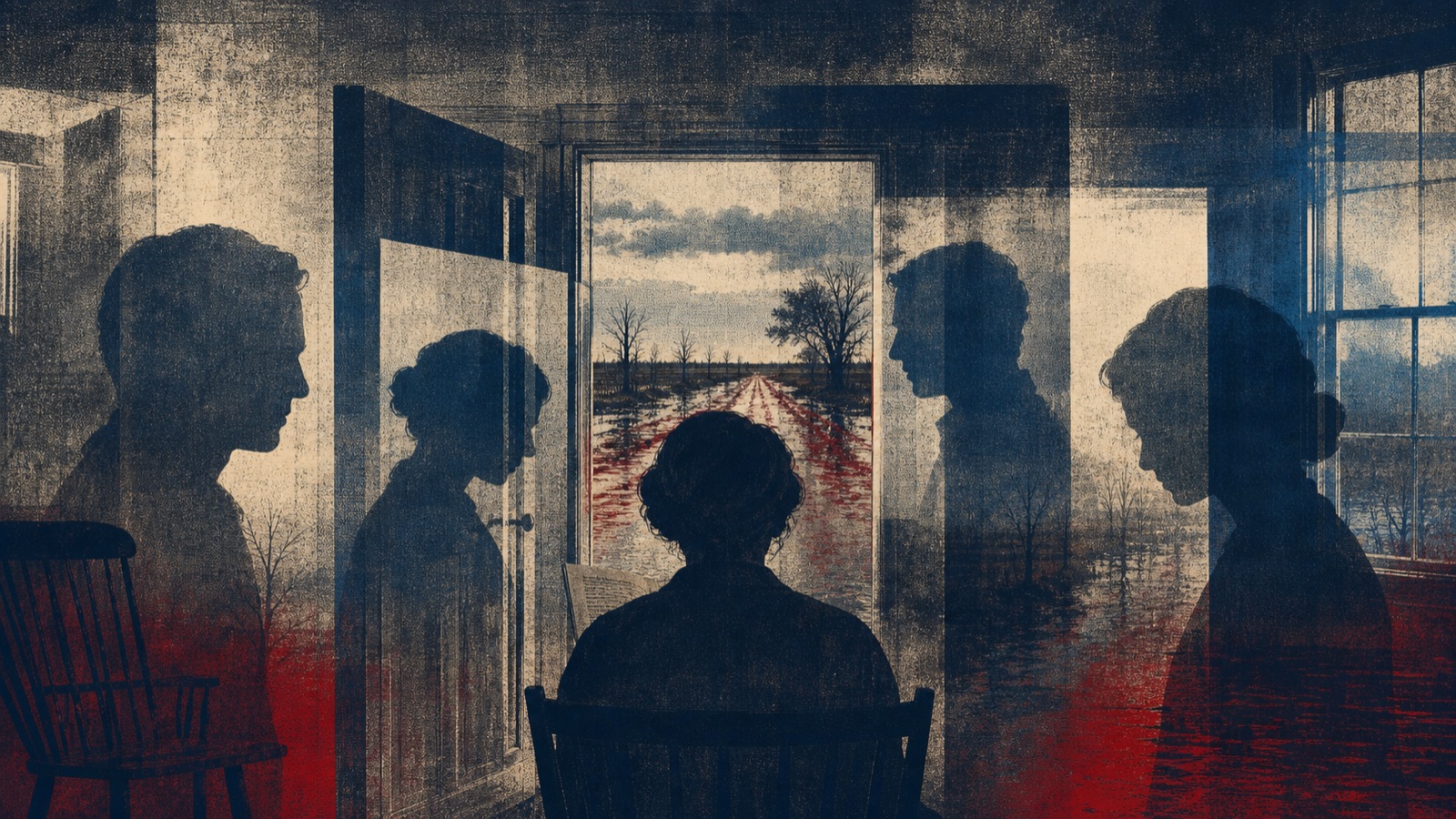
Every voice changes the distance between the reader and the road.
Atmosphere as interpretation
Enter a reader where image, pace, and spatial sound bend around each narrator. The page becomes a landscape rather than a frame.
Launch immersive readerOpen live project↗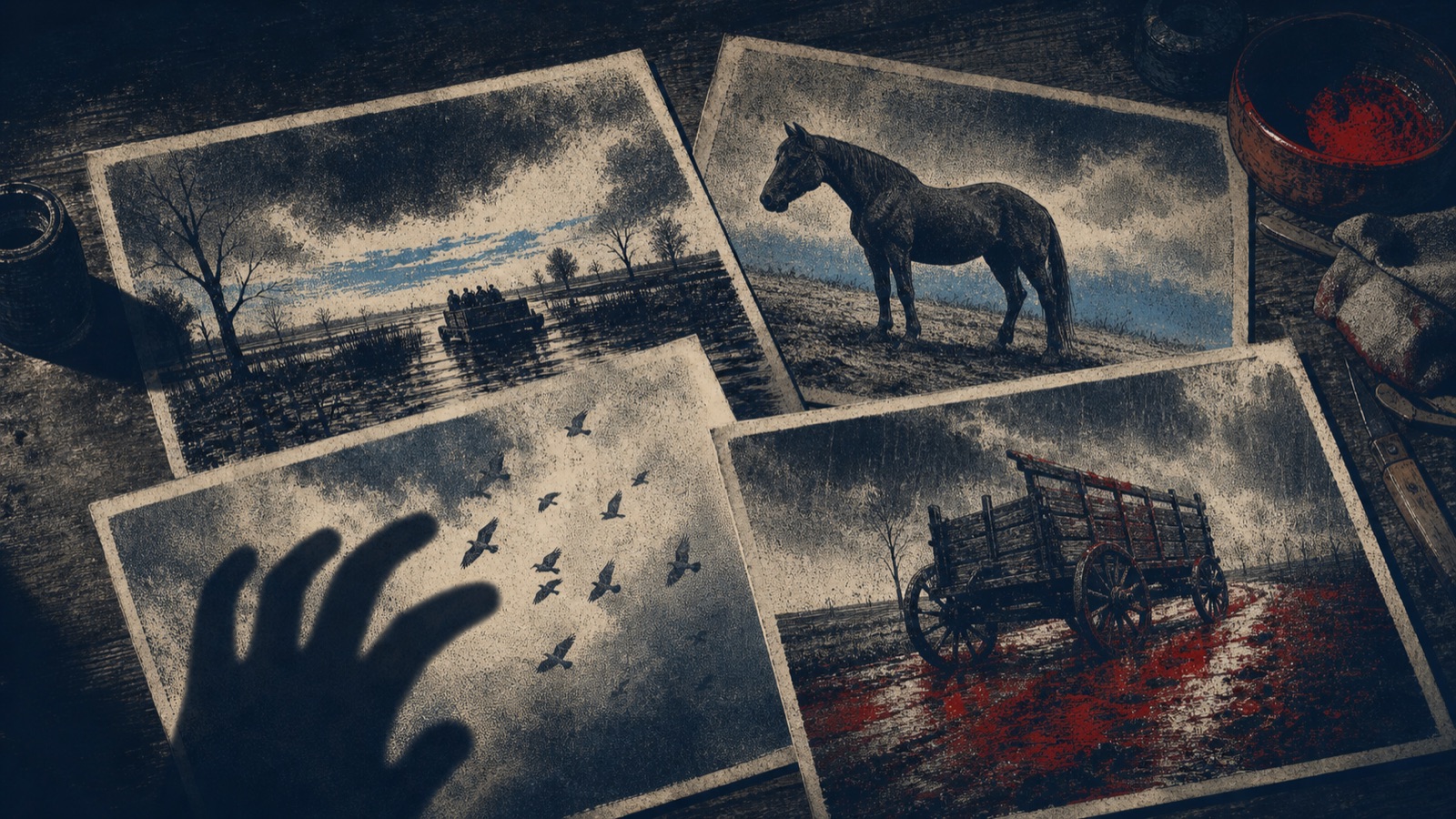
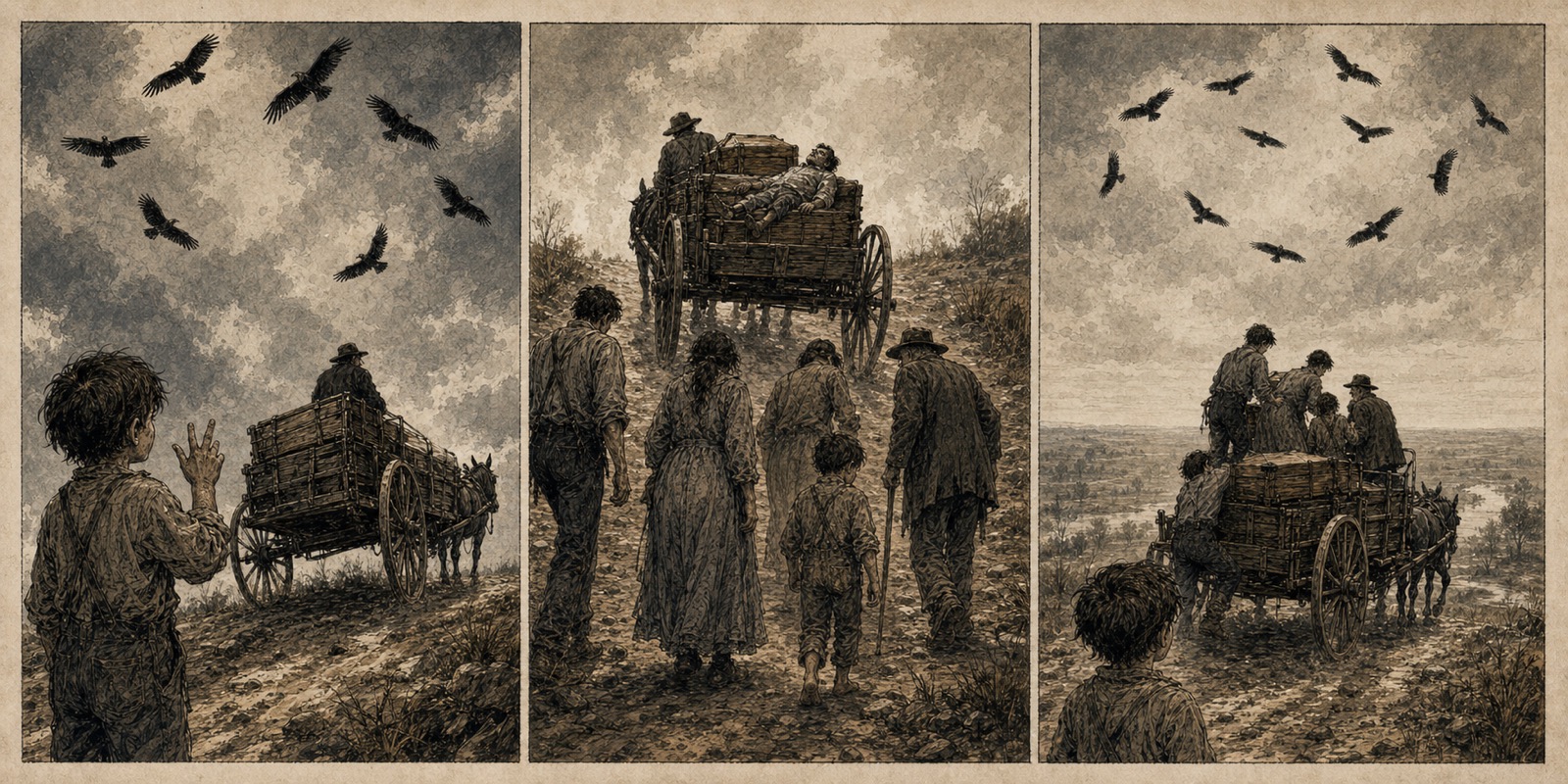
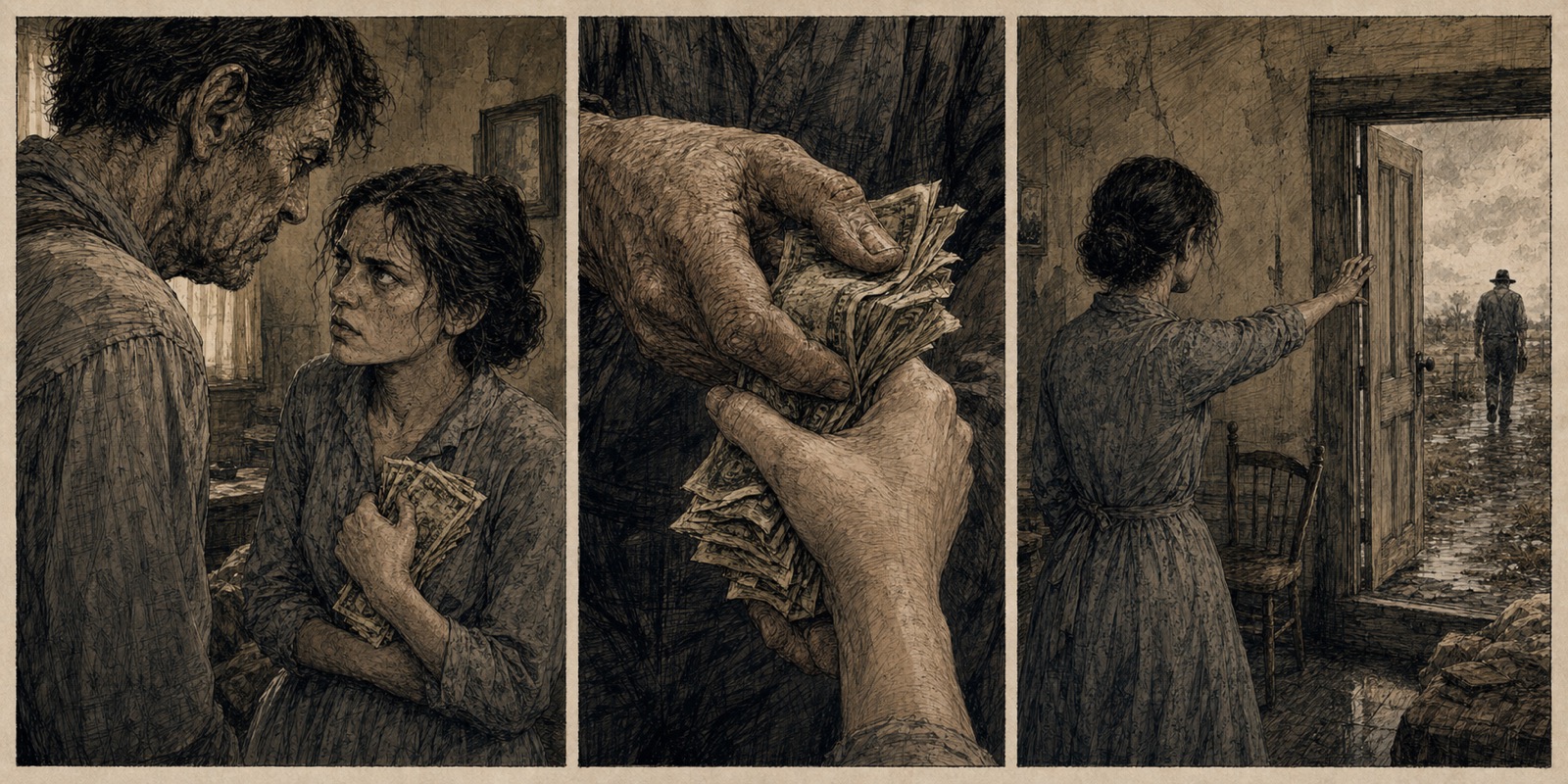
Fifty-nine plates
Fifty-nine interpretations
Fifty-nine visual arguments
Every section receives an interpretive triptych. Image does not decorate the text—it makes a claim the reader can test.
Launch illustrated readerOpen live project↗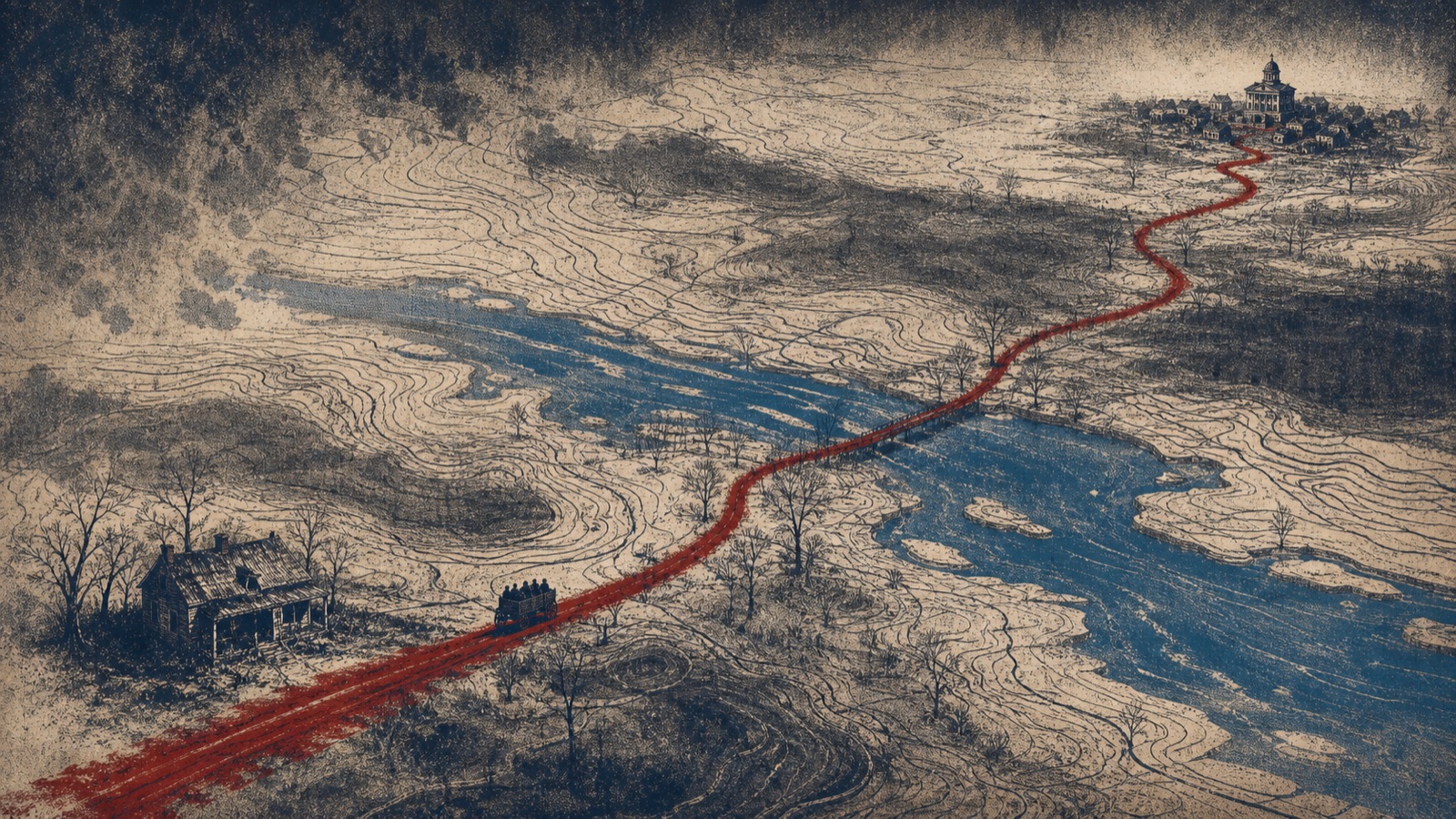
Bundren farm · departure
M / 03Narrative made geographic
Follow the family’s route toward Jefferson. Distance, flood, fire, and detour reveal how place exerts pressure on form.
Launch journey mapOpen live project↗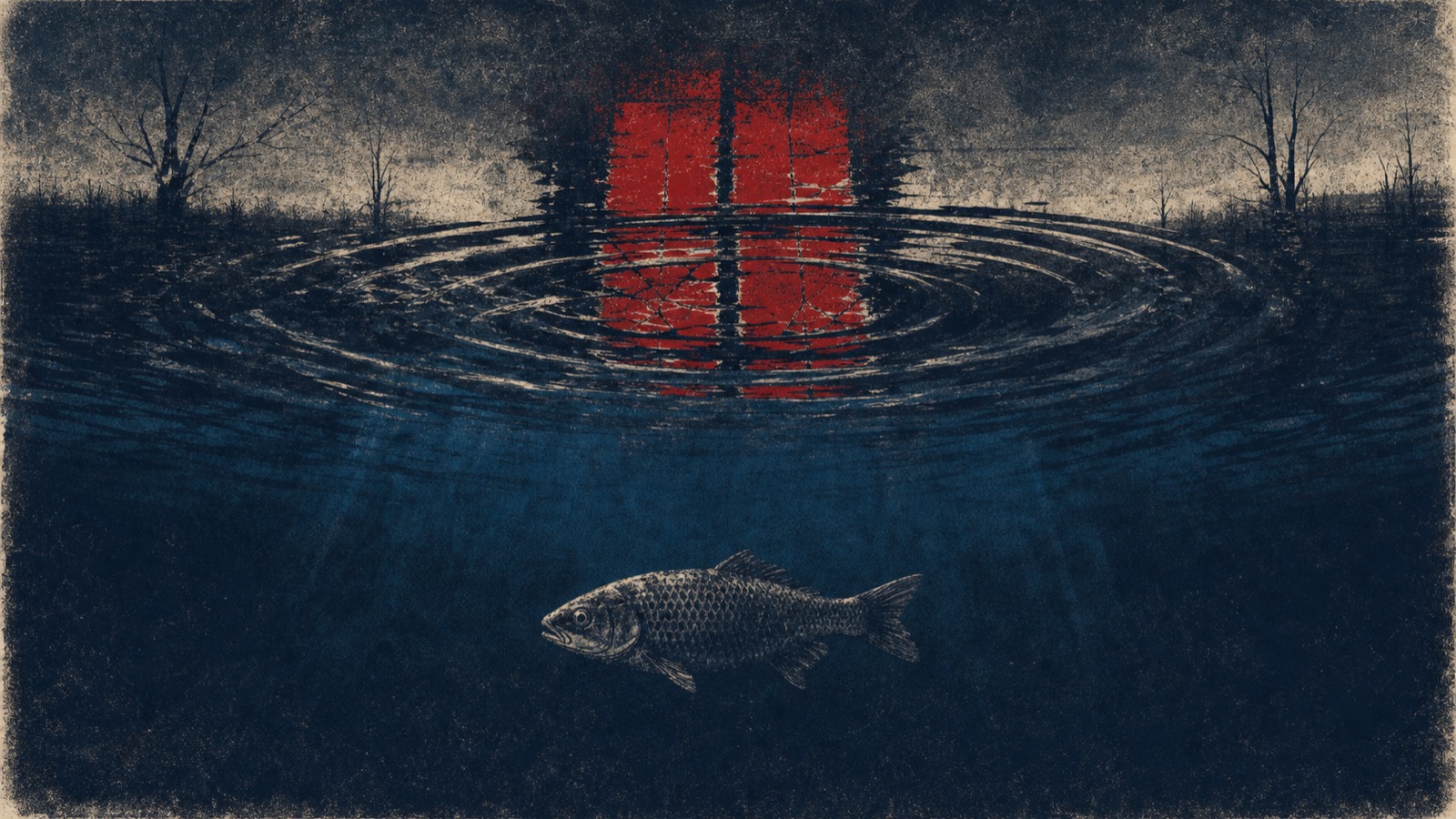
MY MOTHER IS A FISH.
S / 01Close reading through sound
Attend to repetition, silence, rhythm, and rupture. Four words become a problem the reader has to inhabit.
Launch “My Mother Is a Fish”Open live project↗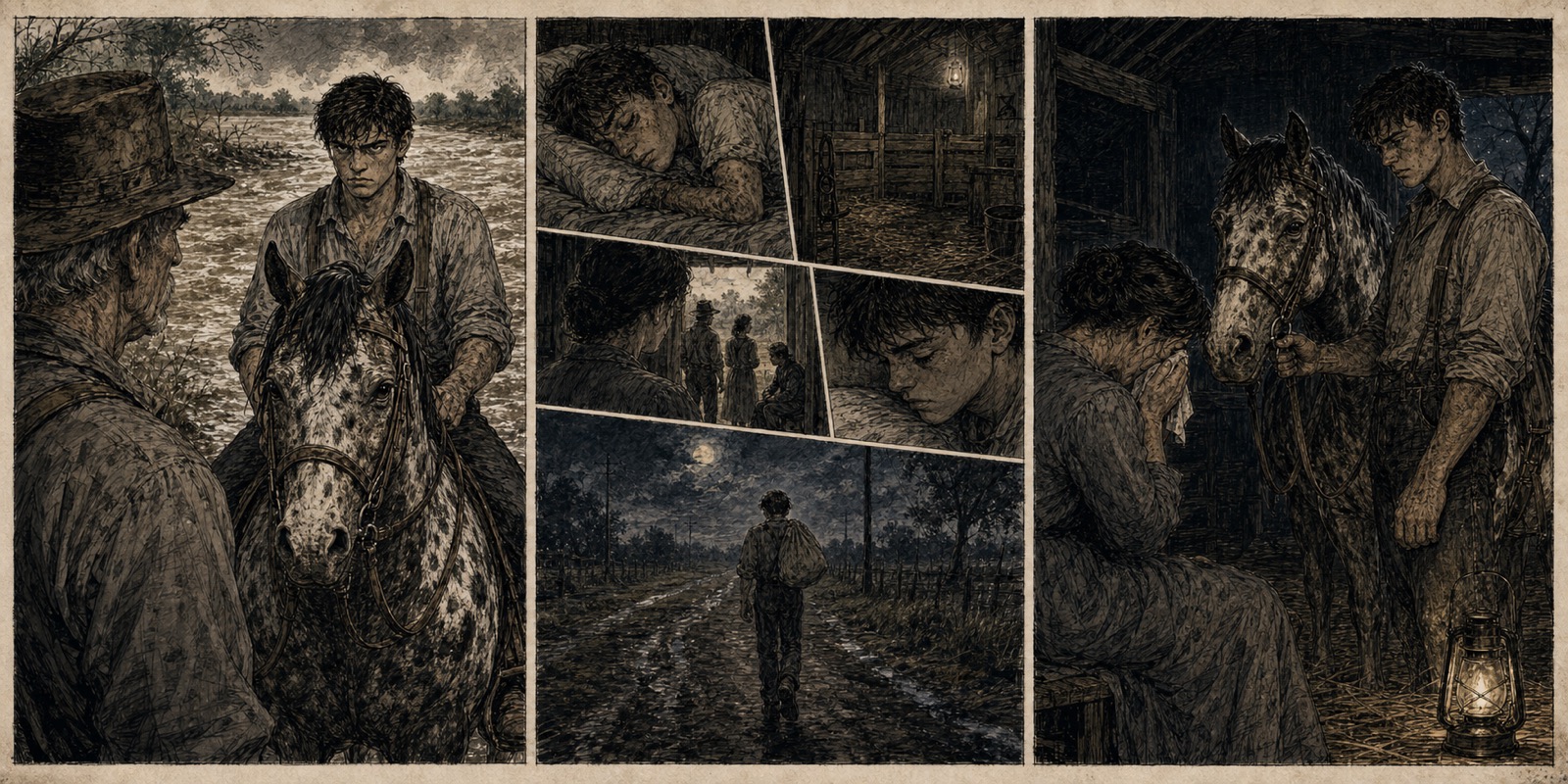
The method
What the interface knows
Who is allowed to organize what we know?
What does a picture clarify—and what does it close?
How does the route become an argument?
What becomes audible when explanation fails?
Built with AI. Not built for offloading.
There are no embedded chatbots, Faulkner personas, automatic summaries, or buttons that tidy away the novel. Each project is an encapsulated module designed to help students slow down, explore, annotate, and make an interpretive choice.
How the project was made
The finished collection emerged through repeated choices, failures, limits, and revisions—the same kind of productive difficulty it asks students to experience.
Design an online reading experience that appeals across writing, art, design, and code while resisting easy chatbot offloading.
Use tldraw offline to map all 59 sections, establish recurring characters and motifs, and make the visual language consistent.
Create three images for each chapter plate, checking action, continuity, and style against the novel and the storyboard.
Combine readers, maps, annotation tools, export workflows, images, and activities across multiple coding systems and many iterations.
59section storyboards
177illustrated scenes
Weeksof iteration
Questions the project leaves open
Continue into the classroom
See model annotations for all four experiments, plus a synthesis paragraph and self-check.
View exemplars ↗ Teacher resource · 02Use ready-to-teach analog and digital activities, including mapping and storyboarding with tldraw offline.
Open teaching guide ↗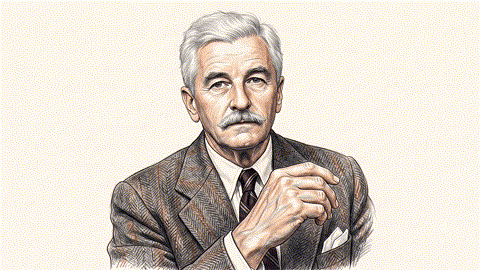 W. F. / 1897—1962
Credit · citation · transparency
Watkins, Marc. Reading Faulkner in the Age of Thinking Machines. Interactive digital collection, 2026.
AI disclosure. Marc Watkins conceived, directed, selected, revised, and takes responsibility for this gallery and the linked projects. Generative AI systems were used across the collection as creative and technical collaborators for interface prototyping, code generation and debugging, visual or sonic asset development, and editorial scaffolding. This gallery was developed with OpenAI Codex from a design package supplied by Watkins. AI outputs were reviewed and shaped by Watkins; they are not autonomous scholarship or authorship. Model-specific details are documented in project repositories where available.
Literary source: Faulkner, William. As I Lay Dying. Jonathan Cape & Harrison Smith, 1930. This independent educational collection is not an official University of Mississippi publication. Its palette draws on the University’s approved red, navy, powder blue, gray, black, and white color system; no university trademark is used.